
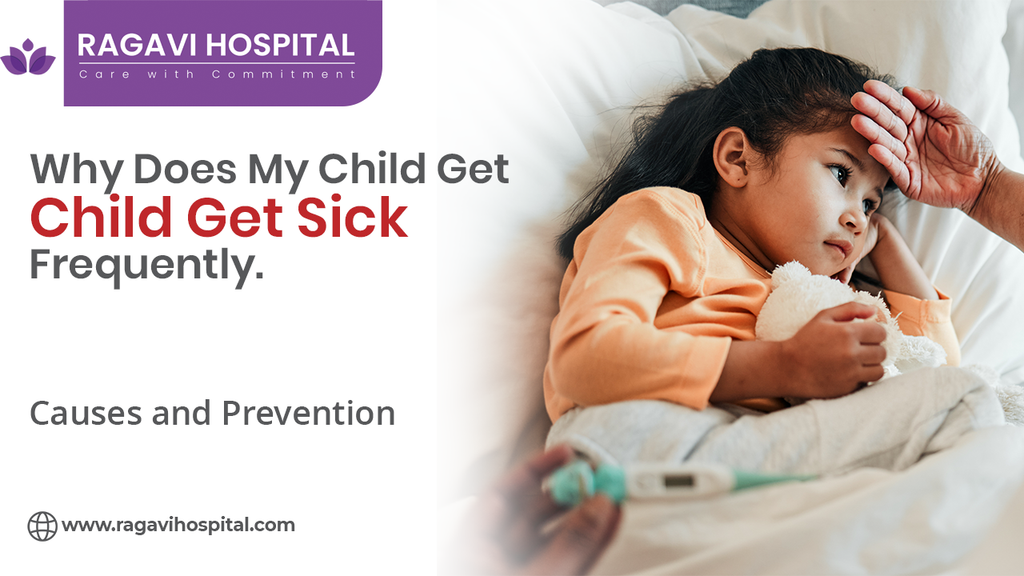
Every parent wants their child to stay healthy, active, and happy. However, some children seem to catch infections more frequently than others. One week, they may have a cold, followed by fever, cough, throat infections, or stomach problems. This can leave parents wondering, “Why does my child get sick frequently?”
Frequent illnesses during childhood are not always a sign of a serious health problem. Children’s immune systems are still developing, and exposure to different viruses and bacteria helps their bodies build immunity over time. However, repeated infections, prolonged symptoms, or unusually severe illnesses may require medical evaluation.
Understanding the causes of frequent illness in children can help parents identify possible risk factors, improve daily health habits, and take appropriate preventive measures.
In this article, we discuss why children get sick frequently, the role of immunity, common risk factors, and practical ways to protect your child’s health.
Why Does My Child Get Sick Frequently?
Children are naturally exposed to various germs through schools, playgrounds, daycare centres, and social interactions. Their developing immune systems may not have encountered many of these infections before, making them more likely to experience illnesses.
Some common reasons include:
- Exposure to viruses and bacteria.
- Developing immune system.
- Poor hand hygiene.
- Inadequate sleep.
- Nutritional deficiencies.
- Seasonal changes and environmental exposure.
- Close contact with other children.
If you frequently wonder, why does my child get sick often, it is important to consider their age, environment, nutrition, vaccination history, and overall health.
Young children who recently started attending school or daycare may experience more frequent infections because they are exposed to new germs.
1. Developing Immune System in Children
The immune system protects the body against harmful microorganisms such as viruses, bacteria, and other pathogens. During childhood, this defence system continues to develop through exposure to different infections and vaccinations.
Because young children have not developed immunity against every circulating infection, they may experience repeated episodes of cough, cold, fever, and other common illnesses.
Signs Parents May Notice
- Frequent cold and cough episodes.
- Occasional fever.
- Repeated throat infections.
- Reduced appetite during illness.
- Temporary tiredness and weakness.
Having occasional infections does not automatically mean a child has a weak immune system.
However, if infections are unusually severe, persistent, difficult to treat, or associated with poor growth, parents should consult a paediatrician for further assessment.
2. Weak Immune System in Children: Understanding the Causes
A weak immune system in children can sometimes make them more vulnerable to infections. However, frequent minor illnesses alone are not enough to diagnose an immune deficiency.
Several factors can affect a child’s ability to maintain good health.
Common Contributing Factors
Nutritional deficiencies: Inadequate intake of essential nutrients, including iron, zinc, and certain vitamins, can affect normal immune function.
Poor sleep: Sleep supports physical growth, recovery, and immune regulation. Insufficient sleep may affect a child’s overall health.
Underlying medical conditions: Certain chronic health conditions can influence immune function and increase susceptibility to infections.
Environmental exposure: Air pollution, tobacco smoke, dust, and poor indoor air quality can irritate the respiratory system and worsen respiratory symptoms.
Parents should avoid giving immunity supplements or medications without medical advice. A paediatrician can assess whether nutritional deficiencies or underlying health conditions are contributing to repeated illnesses.
3. Frequent Infections in Children: Common Types
Repeated infections are among the common reasons parents visit paediatric clinics. Understanding the types of infections affecting children can help parents recognise symptoms early.
Common Cold and Cough
Respiratory viruses commonly cause runny noses, sneezing, coughing, and sore throats. Children attending schools and daycare centres may be exposed to these viruses more frequently.
Viral Fever
Viral infections can cause fever, body aches, tiredness, and reduced appetite. Most uncomplicated viral illnesses improve with supportive care, but some fevers require medical assessment.
Throat and Ear Infections
Children may experience throat pain, difficulty swallowing, ear pain, irritability, and fever. Some infections are viral, while others may require specific medical treatment.
Stomach Infections
Viral or bacterial infections can cause diarrhoea, vomiting, stomach discomfort, and dehydration. Maintaining proper food and water hygiene is important for prevention.
Respiratory Infections
Some infections affect the lower respiratory tract and may cause persistent coughing, rapid breathing, or breathing difficulties. Pneumonia requires timely medical attention.
If your child experiences repeated or unusually severe infections, a paediatrician can evaluate the underlying causes and recommend appropriate investigations.
4. How to Boost Immunity in Children Naturally
Parents often search for ways to improve their children’s immunity. Although no food or home remedy can prevent every infection, healthy daily habits support normal immune function and overall development.
Here are some practical approaches.
Eat a Balanced and Nutritious Diet
A balanced diet provides essential nutrients required for healthy growth and immune function.
Include:
- Fruits such as oranges, guavas, apples, and papayas.
- Green leafy vegetables.
- Pulses, beans, and lentils.
- Milk, curd, and other suitable dairy products.
- Eggs, fish, or other protein-rich foods.
- Nuts and seeds, when age-appropriate and safely prepared.
A varied diet is generally more beneficial than relying on individual immunity-boosting foods.
Encourage Adequate Sleep
Sleep is essential for children’s physical development, brain function, and recovery.
Establish regular sleeping routines and limit screen exposure before bedtime. Recommended sleep duration varies by age, so parents should follow age-appropriate guidance.
Promote Daily Physical Activity
Encourage children to participate in outdoor games, walking, cycling, and age-appropriate physical activities.
Regular movement supports healthy development, improves fitness, and contributes to overall well-being.
Maintain Proper Hydration
Ensure children drink sufficient clean water throughout the day. Adequate hydration supports normal body functions and helps maintain overall health.
Follow Recommended Vaccinations
Vaccination is one of the most effective ways to protect children against several serious infectious diseases.
Follow the recommended childhood immunisation schedule and consult your paediatrician regarding any missed or upcoming vaccinations.
These habits are practical ways to support immunity in children while reducing some preventable health risks.
5. How to Prevent Frequent Illnesses in Children
Although it may not be possible to prevent every infection, parents can reduce the risk of many common illnesses through simple precautions.
1. Teach Regular Handwashing
Encourage children to wash their hands before eating, after using the toilet, and after playing outdoors.
2. Maintain Personal Hygiene
Keep children’s clothes, toys, school bags, and frequently touched surfaces clean.
3. Avoid Sharing Personal Items
Teach children not to share water bottles, towels, toothbrushes, or other personal belongings.
4. Provide Safe Food and Drinking Water
Ensure food is properly cooked, fruits and vegetables are washed, and drinking water is safe.
5. Maintain a Clean Environment
Keep living spaces well-ventilated and reduce exposure to tobacco smoke, dust, and other respiratory irritants.
6. Encourage Healthy School Habits
If your child has a fever or is too unwell to participate in normal activities, allow them to rest at home and follow school and medical guidance before returning.
7. Maintain Regular Health Check-ups
Routine paediatric visits help monitor growth, nutrition, development, and vaccination status.
Following these measures can help reduce exposure to infections and support healthier routines.
6. When Should Parents Consult a Paediatrician?
Occasional illnesses are common during childhood. However, parents should not ignore repeated infections that are severe, persistent, or unusual.
Consult a paediatrician if your child experiences:
- Frequent infections that take longer than expected to improve.
- Repeated pneumonia or serious respiratory infections.
- Persistent fever or recurring unexplained fever.
- Poor weight gain or growth concerns.
- Repeated infections requiring hospital admission.
- Persistent diarrhoea or unusual infections.
- Infections that do not respond as expected to prescribed treatment.
Seek urgent medical attention if your child experiences difficulty breathing, severe dehydration, seizures, unusual drowsiness, or becomes unresponsive.
A paediatrician may review the child’s medical history, growth pattern, diet, vaccination record, and previous infections. Depending on the findings, blood tests or other investigations may be recommended.
Early evaluation helps identify possible underlying health concerns and ensures that children receive appropriate care.
Frequently Asked Questions (FAQs)
1. Why does my child get sick frequently after starting school?
Children are exposed to new viruses and bacteria when they begin attending school or daycare. Close contact with other children increases the chances of infection, particularly during the first few years of group activities.
2. Is frequent illness in children a sign of weak immunity?
Not necessarily. Many children experience repeated minor infections as their immune systems develop. However, unusually severe, persistent, or recurrent infections should be evaluated by a paediatrician.
3. How can I improve my child’s immunity naturally?
Provide a balanced diet, adequate sleep, regular physical activity, proper hydration, and recommended vaccinations. These habits support normal immune function and healthy development.
4. How many times a year is it normal for a child to get sick?
There is no single number that applies to every child. Age, school attendance, environmental exposure, and individual health conditions influence infection frequency. The severity and duration of illnesses are also important.
5. When should I worry about frequent infections in my child?
Consult a paediatrician if infections are unusually severe, prolonged, repeatedly require hospitalisation, or are associated with poor growth. Breathing difficulties, seizures, severe dehydration, or reduced responsiveness require emergency care.
Conclusion
If you often ask yourself, “Why does my child get sick frequently?”, remember that occasional infections are a normal part of childhood for many children. A developing immune system, exposure to other children, nutritional factors, and environmental conditions can all influence how frequently illnesses occur.
Maintaining a balanced diet, encouraging proper sleep, following vaccination schedules, and practising good hygiene can help support your child’s overall health.
However, repeated severe infections or persistent symptoms should never be ignored. Consulting a qualified paediatrician helps identify possible underlying causes and ensures that your child receives the right medical guidance.
A healthy childhood begins with good habits, timely medical attention, and the right care at every stage of growth.