
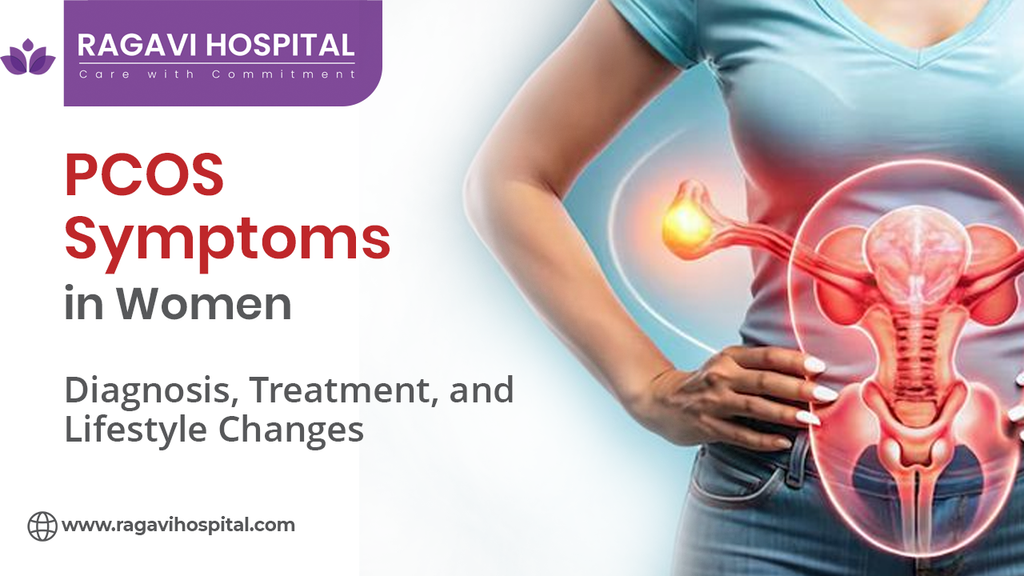
Polycystic Ovary Syndrome (PCOS) is a common hormonal condition that can affect a woman’s menstrual cycle, skin, hair growth, metabolism, and reproductive health. Some women notice symptoms during their teenage years, while others discover the condition when they experience irregular periods or difficulty becoming pregnant.
Recognising PCOS symptoms early can help women understand the changes happening in their bodies and seek appropriate medical advice. Although PCOS cannot be cured with a single treatment, its symptoms can often be managed through personalised medical care and sustainable lifestyle changes.
PCOS does not look the same in every woman. One person may experience irregular periods and acne, while another may have difficulty with weight management or fertility. Understanding the possible signs, how the condition is diagnosed, and which treatment options are available can help you make informed decisions about your health.
What Is PCOS?
Polycystic Ovary Syndrome, commonly known as PCOS, is a hormonal and metabolic condition that can affect how the ovaries function. It is often associated with irregular ovulation and higher-than-usual androgen activity. Androgens are hormones that are present in women as well as men.
The term polycystic can be confusing. Some women with PCOS have multiple small follicles visible on an ultrasound, but not everyone does. The presence of ovarian cysts is not required for a PCOS diagnosis.
PCOS may influence several aspects of health, including:
- Menstrual regularity and ovulation.
- Skin health and acne.
- Facial and body hair growth.
- Scalp hair density.
- Fertility and pregnancy planning.
- Insulin sensitivity and blood sugar regulation.
The exact cause of PCOS is not fully understood. Genetics, hormonal factors, and metabolic processes may contribute to its development. It is not caused simply by eating particular foods or having a specific body weight.
8 Common PCOS Symptoms in Women
The symptoms of PCOS can vary in type and severity. Having one or more of these signs does not automatically mean you have PCOS, as other conditions can cause similar changes.
1. Irregular or Missed Periods
One of the most recognised PCOS symptoms is an irregular menstrual cycle. PCOS can interfere with ovulation, which may cause periods to arrive unpredictably or occur less frequently than usual.
You may notice:
- Periods that frequently arrive late.
- Menstrual cycles that are unusually long.
- Several missed periods throughout the year.
- Difficulty predicting when your next period will begin.
Some women may also experience prolonged or heavy bleeding after going a long time without a period.
Persistent infrequent menstruation deserves medical attention because prolonged gaps between periods can increase the risk of excessive thickening of the uterine lining in some women. A gynecologist can assess your cycle and recommend appropriate treatment.
2. Persistent Acne and Oily Skin
Hormonal changes associated with PCOS may increase oil production in the skin, contributing to persistent acne.
Women may notice breakouts around the chin, jawline, cheeks, chest, or back. Acne may continue into adulthood or become more difficult to manage with usual skincare routines.
However, acne alone is not enough to diagnose PCOS. It can also result from other hormonal changes, medications, genetics, and skin-related factors.
If persistent acne occurs alongside irregular periods or increased facial hair, consider discussing these symptoms with a healthcare professional.
3. Excess Facial or Body Hair
Higher androgen activity can lead to increased growth of coarse, dark hair on areas such as the chin, upper lip, chest, abdomen, or back. This is known medically as hirsutism.
The amount and distribution of hair vary naturally between individuals, so changes from your usual pattern are more informative than hair growth alone.
If unwanted coarse hair develops alongside other PCOS symptoms, a medical evaluation may help identify whether a hormonal condition is responsible.
Sudden or rapidly progressing hair growth, particularly when accompanied by a deepening voice or other significant physical changes, requires prompt medical assessment because other conditions may need to be ruled out.
4. Hair Thinning on the Scalp
Some women with PCOS experience thinning hair, particularly around the crown or parting of the scalp. This may be associated with increased sensitivity to androgens.
Hair thinning can affect confidence and emotional well-being, especially when it develops alongside acne or unwanted facial hair.
However, hair loss has many possible causes, including iron deficiency, thyroid disorders, nutritional deficiencies, stress, and hereditary hair loss.
A doctor can assess your symptoms and determine whether hormonal testing or other investigations are appropriate before recommending treatment.
5. Difficulty Losing Weight or Weight Changes
Some women with PCOS experience weight gain or find weight management more challenging. Insulin resistance, hormonal factors, sleep patterns, genetics, and other influences may contribute.
It is important to understand that PCOS can occur in women of any body size. Being overweight is not necessary for diagnosis, and women with a lower body weight may also have insulin resistance or other metabolic concerns.
Weight changes alone do not confirm PCOS. If you notice unexplained changes alongside irregular periods or other hormonal symptoms, seek medical advice rather than following restrictive diets or unverified weight-loss programmes.
6. Difficulty Becoming Pregnant
PCOS can interfere with regular ovulation, making it harder to predict fertile days and sometimes reducing the chances of conception in a given cycle.
Women may discover they have PCOS when they begin trying to become pregnant and notice that their periods are irregular or absent.
However, a PCOS diagnosis does not mean pregnancy is impossible. Many women with PCOS conceive naturally, while others may benefit from fertility treatment.
If you are planning a pregnancy and have irregular periods, a gynecologist can assess ovulation, discuss other fertility factors, and recommend an appropriate plan based on your circumstances.
7. Darkened Skin Patches
Some women with PCOS develop darker, thicker, velvety-looking areas of skin, particularly around the neck, armpits, or groin. This change is known as acanthosis nigricans and may be associated with insulin resistance.
These patches are not simply a cosmetic concern. They can be a reason to discuss blood sugar regulation and metabolic health with a healthcare professional.
Skin darkening can have other causes, so a proper assessment is important before assuming it is related to PCOS.
8. Mood Changes, Anxiety, and Low Energy
Living with PCOS may affect emotional well-being, particularly when symptoms such as acne, unwanted hair growth, weight concerns, or fertility difficulties become stressful.
Some women with PCOS also experience anxiety, depressive symptoms, sleep difficulties, or persistent fatigue. These symptoms can have several causes and should not automatically be attributed to hormonal imbalance alone.
If mood changes or low energy are affecting daily life, discuss them with your doctor. Support may include assessing physical health, sleep, mental well-being, and other contributing factors.
How Is PCOS Diagnosed?
There is no single test that can confirm PCOS in every woman. Diagnosis involves reviewing symptoms, medical history, examination findings, and selected investigations while excluding other conditions that can cause similar symptoms.
In adults, PCOS is generally diagnosed when at least two of the following three features are present, after other relevant causes have been excluded:
- Ovulatory dysfunction: Irregular or absent ovulation, often reflected in irregular periods.
- Clinical or biochemical hyperandrogenism: Signs such as excess coarse facial or body hair, or blood tests showing elevated androgen levels.
- Polycystic ovarian morphology: A specific appearance of the ovaries on ultrasound, or in appropriate adult diagnostic pathways, an elevated anti-Müllerian hormone (AMH) result used as an alternative marker.
Not every woman needs an ultrasound or AMH test. If irregular cycles and clear evidence of androgen excess are already present, additional ovarian imaging may not be necessary to establish the diagnosis.
In adolescents, diagnosis requires greater caution because irregular periods and acne can be common during puberty. Both persistent menstrual irregularity, assessed according to the years since the first period, and clinical or biochemical hyperandrogenism are generally required. Ultrasound and AMH testing are not recommended for diagnosing PCOS in adolescents.
Tests Your Doctor May Recommend
Depending on your symptoms and medical history, your doctor may recommend:
- Hormone tests, including selected androgen measurements.
- Thyroid function testing.
- Prolactin testing to investigate other causes of menstrual changes.
- Blood glucose assessment, such as an oral glucose tolerance test when appropriate.
- Cholesterol and other lipid measurements.
- Blood pressure and weight-related health assessment.
These tests help identify PCOS, exclude alternative explanations, and assess associated health risks. Not every patient needs every test.
Treatment Options for PCOS
PCOS treatment is personalised according to symptoms, metabolic health, age, and whether pregnancy is a current goal. There is no single medication that is suitable for every woman.
1. Treatment for Irregular Periods
Depending on your medical history and needs, a doctor may recommend hormonal contraceptives or intermittent progestogen treatment to regulate bleeding and protect the uterine lining.
If you have missed periods for several months, seek medical advice instead of waiting indefinitely for your cycle to return.
2. Managing Acne and Excess Hair Growth
Treatment options may include combined hormonal contraceptives, appropriate acne medication, or other prescribed treatments to reduce androgen-related symptoms.
Some medications used for unwanted hair growth require reliable contraception because they may harm a developing pregnancy. Your doctor can explain the benefits, precautions, and expected time needed to see improvement.
3. Improving Metabolic Health
When insulin resistance or other metabolic concerns are present, a healthcare professional may recommend lifestyle changes and, in selected cases, medication such as metformin.
Metformin is not necessary for every woman with PCOS. Its suitability depends on factors such as metabolic risk, glucose regulation, and individual treatment goals.
4. Fertility Treatment
Women with PCOS who are trying to conceive may benefit from treatment to support ovulation. Letrozole is commonly recommended as the first-line medication for ovulation induction in eligible women with PCOS-related anovulatory infertility when other infertility factors are not present.
The right treatment depends on individual assessment, and fertility care should be supervised by a qualified healthcare professional.
Lifestyle Changes That May Help Manage PCOS
Lifestyle management is an important part of PCOS care. It can support metabolic health, improve overall well-being, and help manage some symptoms. However, it should complement medical care rather than replace it when treatment is needed.
1. Follow a Balanced, Sustainable Diet
There is no single diet that works best for every woman with PCOS. Focus on a varied eating pattern that includes:
- Vegetables and whole fruits.
- Whole grains and other fibre-rich foods.
- Protein sources such as pulses, beans, eggs, fish, or lean meat.
- Healthy fats from nuts, seeds, and suitable oils.
- Regular meals that meet your nutritional needs.
Reducing excessive intake of sugary drinks and highly processed foods may help support metabolic health. You do not need to eliminate all carbohydrates or follow an extreme diet to manage PCOS.
2. Stay Physically Active
Regular movement can support insulin sensitivity, cardiovascular health, mood, and sleep, regardless of whether your weight changes.
Choose activities you can maintain, such as brisk walking, cycling, swimming, dancing, or strength training. A combination of aerobic activity and resistance exercise can be useful.
Start at a comfortable level and gradually increase activity according to your fitness and health needs.
3. Prioritise Sleep
Consistent sleep habits support general health and may make it easier to manage energy levels, mood, and appetite.
Try to maintain a regular sleep and wake schedule and create a relaxing bedtime routine. If you experience loud snoring, unrefreshing sleep, or significant daytime sleepiness, discuss these symptoms with your doctor because sleep disorders may need assessment.
4. Manage Stress and Emotional Well-Being
Stress management is an important part of living well with PCOS, especially when symptoms affect confidence or daily routines.
Relaxation exercises, yoga, enjoyable activities, social support, and counselling may help. If you experience persistent anxiety, low mood, or symptoms of depression, professional mental health support can be valuable.
5. Attend Regular Health Checkups
PCOS can be associated with increased risks of impaired glucose regulation, type 2 diabetes, abnormal cholesterol levels, and high blood pressure.
Your doctor may recommend blood glucose assessment at diagnosis and repeat testing based on your risk factors, along with periodic blood pressure and lipid checks.
Regular follow-up also provides an opportunity to review menstrual patterns, treatment effectiveness, fertility goals, and any new symptoms.
When Should You Consult a Gynecologist?
Consider booking a gynecologist consultation if you experience persistent irregular periods, excessive facial hair, ongoing acne alongside menstrual changes, unexplained scalp hair thinning, or difficulty becoming pregnant.
You should also seek medical advice if you go several months without a period, even if you do not have other symptoms.
Sudden severe pelvic pain, fainting, or pain with bleeding when pregnancy is possible requires urgent assessment rather than a routine appointment.
Early evaluation can help clarify the cause of your symptoms and establish a suitable care plan.
Frequently Asked Questions About PCOS
1. Can PCOS be cured permanently?
There is currently no single permanent cure for PCOS. However, symptoms can often be managed effectively through personalised treatment, lifestyle measures, and regular follow-up. Treatment goals may change over time.
2. Can women with PCOS get pregnant?
Yes. Many women with PCOS become pregnant naturally or with medical support. If irregular ovulation is affecting conception, a gynecologist can discuss suitable fertility treatments.
3. Can PCOS occur in women who are not overweight?
Yes. PCOS can affect women of any body size. Symptoms and metabolic risks vary between individuals, so diagnosis should not be based on weight alone.
4. Does every woman with PCOS have ovarian cysts?
No. The term PCOS can be misleading because ovarian cysts are not required for diagnosis. Some women have a characteristic ovarian appearance on ultrasound, while others do not.
5. Can lifestyle changes alone manage PCOS?
Lifestyle changes can support health and may improve some symptoms, but they are not sufficient for everyone. Some women also need medication or fertility treatment, depending on their symptoms and goals.
6. Which doctor should I consult for PCOS symptoms?
A gynecologist can assess menstrual irregularity, hormonal symptoms, and fertility concerns. Depending on your needs, care may also involve an endocrinologist, dermatologist, dietitian, or other healthcare professional.
Conclusion
PCOS is a manageable condition, but its symptoms can vary significantly from one woman to another. Irregular periods, persistent acne, excess facial hair, scalp hair thinning, and fertility difficulties may indicate PCOS, although these symptoms can also have other causes.
Recognising PCOS symptoms and seeking an appropriate medical assessment can help you understand your hormonal and metabolic health. With an individualised treatment plan, sustainable lifestyle habits, and regular follow-up, many women with PCOS can manage their symptoms and work towards their reproductive health goals.
Medical disclaimer: This article is intended for general educational purposes and does not replace professional medical advice, diagnosis, or treatment. Consult a qualified healthcare professional for an individual assessment.